FAQ

  • How often should I clean or replace my HVAC air filters?
    For most homes, you should check your HVAC air filter every month and replace it every 1–3 months, depending on usage and your indoor environment. If you have pets, allergies, or live in a dusty area, you may need to replace the filter more frequently. A clean air filter helps improve indoor air quality, increases system efficiency, lowers energy costs, and extends the lifespan of your HVAC system. If you're unsure which filter is right for your unit, our HVAC experts are happy to help.
  • How do I choose the right filter for my HVAC system?
    Choosing the right filter for your HVAC system depends on your home's needs and your system's specifications. Start by checking your HVAC unit or existing filter for the correct size. Next, select a filter with the appropriate MERV rating—MERV 8 works well for most homes, while MERV 11–13 provides better filtration for allergies, pets, and dust. Avoid using a filter with a very high MERV rating unless your HVAC system is designed to handle it, as it can restrict airflow. Replacing your filter every 1–3 months helps maintain indoor air quality, improves energy efficiency, and extends the life of your HVAC system. If you're unsure which filter is best, consult an HVAC professional for personalized recommendations.
  • How can I improve the efficiency and extend the lifespan of my HVAC system?
    Regular HVAC maintenance is the best way to improve efficiency and extend your system's lifespan. Schedule annual tune-ups to clean components, replace filters, check refrigerant levels, and inspect key parts. Routine service helps reduce energy costs, prevent breakdowns, and keep your HVAC system running reliably year-round.
  • What HVAC maintenance tasks can I safely do myself?
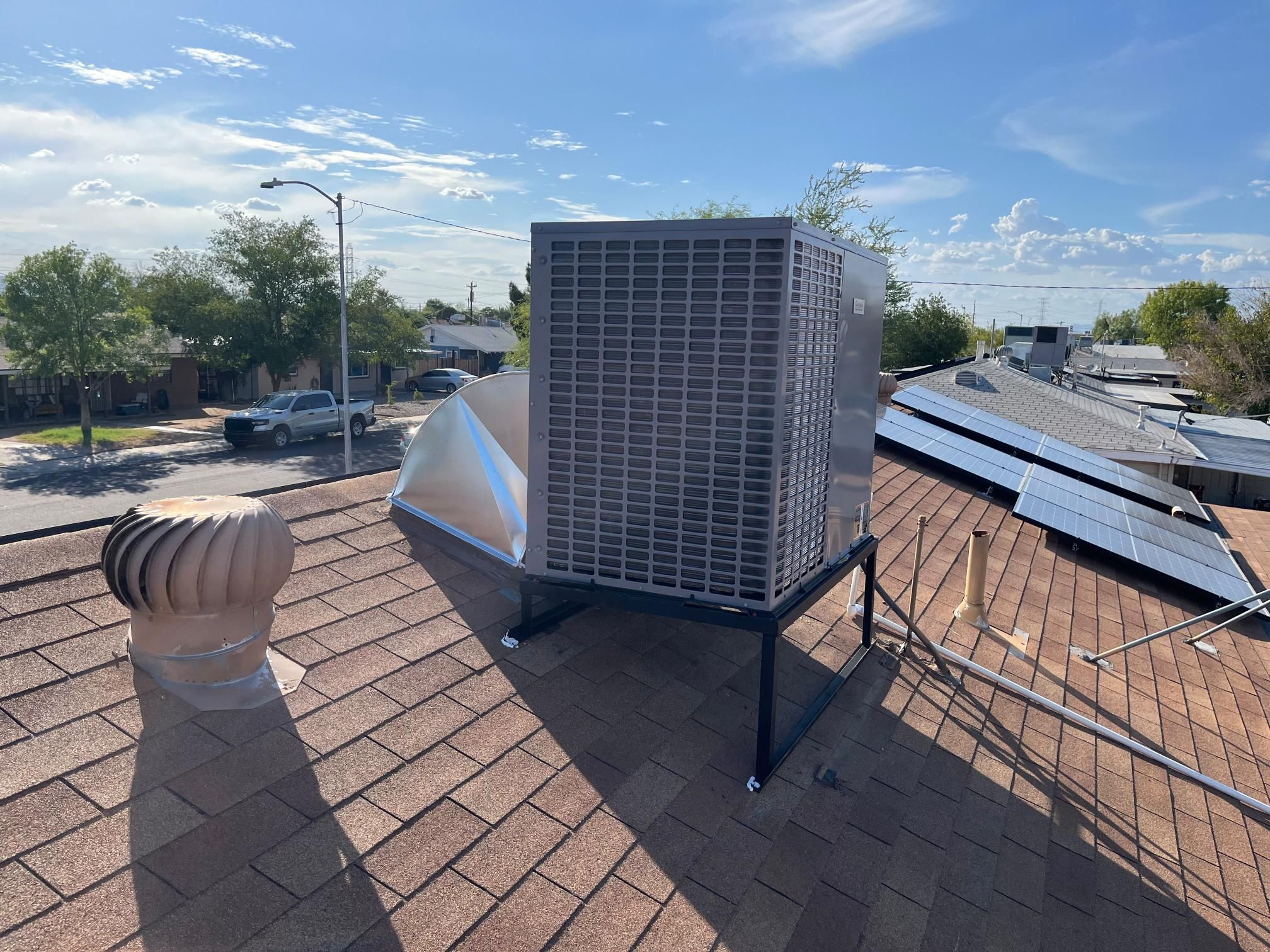
    There are several simple HVAC maintenance tasks homeowners can perform to keep their system running efficiently. Replace or clean your air filters every 1–3 months, keep the outdoor condenser unit free of leaves, dirt, and debris, and make sure at least two feet of space surrounds the unit for proper airflow. You can also inspect the condenser fins and gently remove built-up debris using a soft brush, taking care not to bend the fins. Check that your vents are open and unobstructed, and monitor your thermostat to ensure it's working correctly. While these basic maintenance tasks can improve performance and extend the life of your HVAC system, it's recommended to schedule professional HVAC maintenance at least once a year for a thorough inspection, cleaning, and tune-up.
  • How can I tell if my HVAC system is operating safely and efficiently?
    A properly functioning HVAC system should provide consistent heating or cooling, maintain good airflow, and operate without unusual noises or odors. Start by checking and replacing dirty air filters, ensuring your thermostat is working correctly, and verifying that your circuit breakers haven't tripped. Inspect the outdoor unit to make sure it's free of debris and that the fan is operating normally. If you notice weak airflow, inconsistent temperatures, strange sounds, burning smells, or unusually high energy bills, your system may need professional attention. Scheduling a qualified HVAC inspection can help identify potential safety concerns and prevent costly repairs before they become major problems.
Image
Image
Image
Image
Image
Image